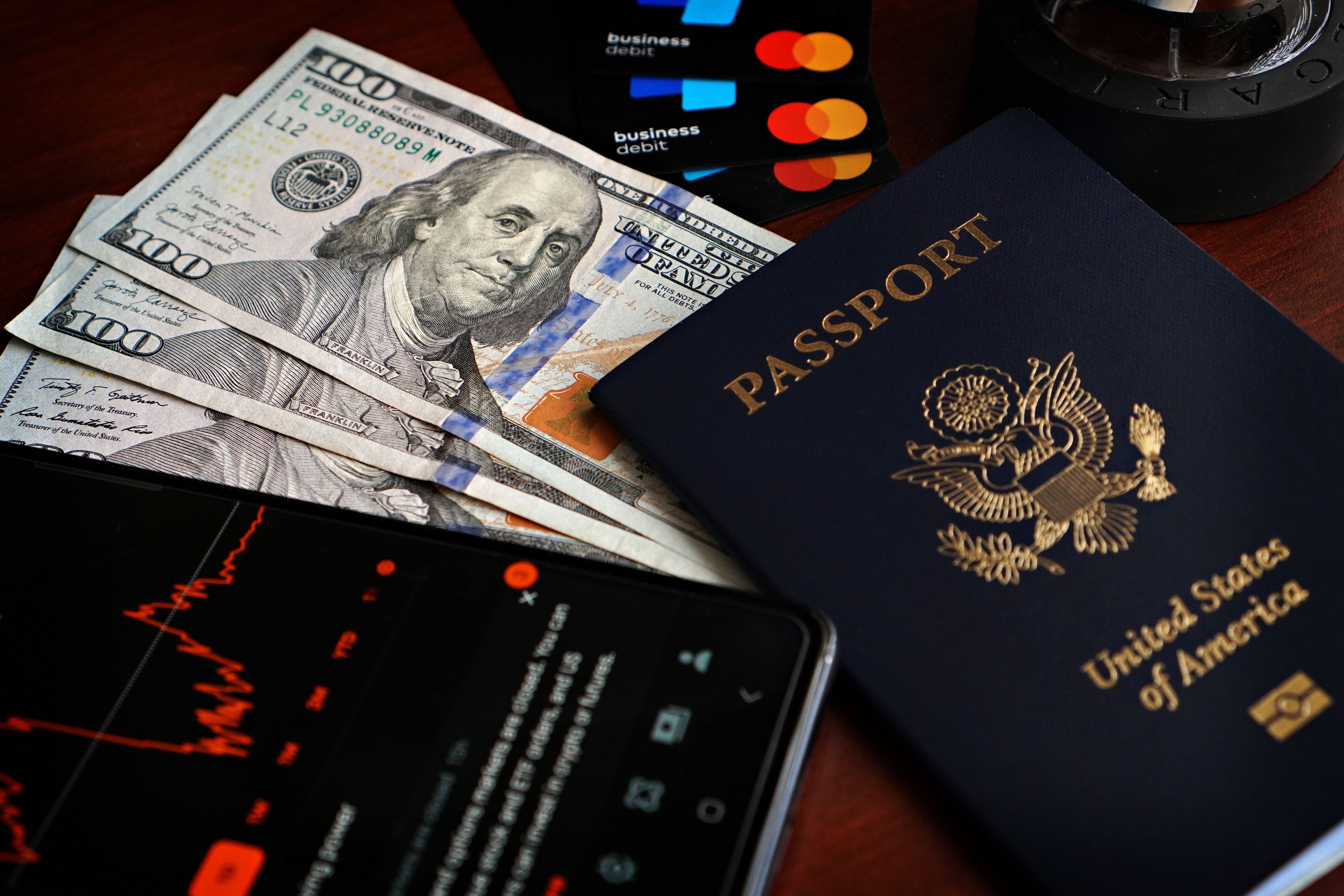
Travel Money for Students: Complete Study Abroad Budgeting and Finance Guide
Heading overseas as a student? Learn how to set up fee-free accounts, build a realistic budget, and avoid costly money mistakes while studying or travelling abroad.

Managing Money as a Student Studying or Travelling Abroad
Heading overseas for a semester abroad, a gap year, or an extended backpacking trip is one of the most transformative experiences a young person can have. But managing money in a foreign country for the first time can be daunting. Exchange rates, ATM fees, international bank transfers, and the temptation to overspend in exciting new places can quickly derail even the most carefully planned budget. This guide walks you through the essential financial strategies every student traveller needs to know.
Use our [currency converter](/currency) to plan your budget before you leave home -- knowing the real exchange rate helps you set realistic daily spending targets.
Setting Up the Right Bank Account Before You Leave
The single most important financial decision you can make before travelling abroad is choosing the right bank account. Many traditional bank accounts charge foreign transaction fees of 2-3% on every purchase and ATM withdrawal fees of $3-5 per transaction. Over a semester, these fees can add up to hundreds of dollars.
Fee-Free Travel Accounts Worth Considering
Several fintech banks and travel-focused accounts have emerged specifically to solve this problem:
Tip: Open your travel account at least two weeks before departure to allow time for the card to arrive and for you to verify your identity.
Building a Realistic Daily Budget
Before you arrive, research the cost of living in your destination. A daily budget in Southeast Asia looks very different from one in Western Europe or North America.
Sample Daily Budgets by Region
Track every expense for the first two weeks. Most students discover their actual spending differs significantly from their estimates, and early tracking allows you to adjust before you run out of funds.
Sending Money from Home: Avoiding the Bank Transfer Trap
At some point, most students studying abroad need to receive money from family or transfer funds between accounts. Traditional bank international wire transfers are notoriously expensive, often charging $25-45 per transfer plus a poor exchange rate.
Better alternatives:
Always compare the total cost (fee plus exchange rate markup) rather than just the headline fee. A zero-fee transfer with a poor exchange rate often costs more than a small-fee transfer at the mid-market rate.
Avoiding Common Money Mistakes Abroad
Dynamic Currency Conversion
When paying by card at a restaurant, hotel, or ATM abroad, you may be offered the option to pay in your home currency rather than the local currency. This is called dynamic currency conversion (DCC), and it almost always uses a poor exchange rate with a hidden markup of 3-7%. Always choose to pay in the local currency.
Carrying Too Much Cash
Carrying large amounts of cash is a security risk. Use ATMs to withdraw smaller amounts more frequently, and keep your emergency cash reserve (ideally $100-200 in US dollars or Euros, which are widely accepted) separate from your daily wallet.
Ignoring Your Credit Card's Foreign Transaction Fees
If you plan to use a credit card abroad, check whether it charges foreign transaction fees. Many student credit cards do. If yours does, use your fee-free debit card for daily spending and reserve the credit card for emergencies or large purchases where the purchase protection is valuable.
Emergency Financial Planning
Every student traveller should have a financial safety net in place before departure.
Check live weather on our [city dashboard](/) to stay informed about conditions at your destination -- weather disruptions can affect travel plans and budgets unexpectedly.
Making Your Money Go Further Day to Day
Studying or travelling abroad on a student budget is entirely achievable with the right preparation. The key is to set up the right financial tools before you leave, track your spending honestly, and build in a safety net for the unexpected. Browse more articles on our [blog](/blog) for more practical travel finance tips.